Stainless Steel vs Mild Steel Railings: Understanding the Difference
Choosing the right railings for your property involves more than just appearance. Stainless steel and mild steel railings are both popular options, but they differ in terms of corrosion resistance, maintenance, design, and cost. Understanding the differences between stainless steel vs mild steel railings can help you make the right choice for your home or business.
At Kaap Balustrades and Railings, we offer railing solutions to suit different properties and design preferences. In this guide, we explain the key differences between these two materials, including their suitability for coastal areas, to help you decide which option best meets your needs.
What Are Stainless Steel Railings?
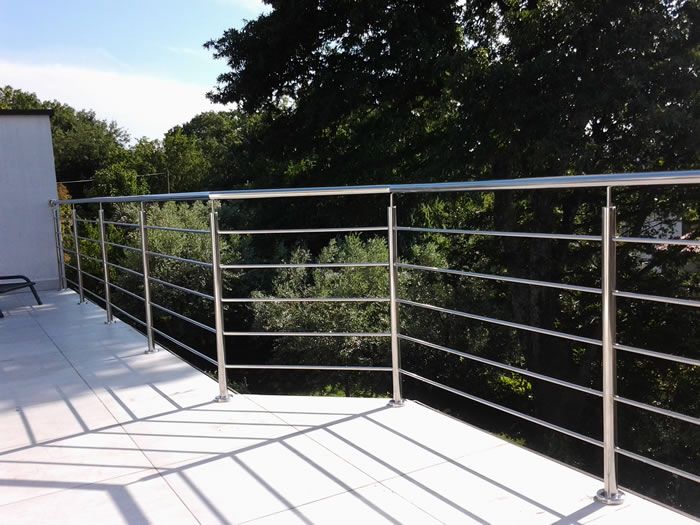
Stainless steel railings are known for their clean, modern appearance and resistance to corrosion. They are commonly used on balconies, staircases, walkways and around other areas where a durable railing system is needed.
One of the main advantages of stainless steel is that it contains chromium, which forms a protective layer on the surface. This helps the material resist rust and corrosion. Grade 304 stainless steel is commonly used indoors and in less aggressive environments, while Grade 316 offers better resistance to chlorides and is generally preferred for coastal applications.
Stainless steel railings can also be combined with glass or other infill materials to suit different architectural styles.
What Are Mild Steel Railings?

Mild steel is a versatile material used in many railing and balustrade designs. It is valued for its strength, workability and ability to be fabricated into different shapes and styles.
Unlike stainless steel, mild steel does not have the same inherent corrosion resistance. Therefore, it usually requires a suitable protective finish, such as galvanising, painting or powder coating, to help protect it from moisture and environmental exposure.
Mild steel railings are available in a wide range of designs, making them suitable for both contemporary and traditional properties. With the right protective system and regular maintenance, they can provide a durable railing solution.
Key Differences Between Stainless Steel and Mild Steel Railings
Although both materials can provide strong and attractive railings, their performance differs depending on the environment, finish and level of maintenance. Comparing these factors can help you choose a railing system that suits your property.
Corrosion Resistance and Durability
Stainless steel generally offers better corrosion resistance than unprotected mild steel. Its protective surface layer helps prevent rust, although exposure to salt, dirt and harsh conditions can still cause staining or corrosion if the correct grade and maintenance practices are not used.
Mild steel is more vulnerable to rust when its protective coating is damaged or deteriorates. Galvanising and suitable paint or powder-coated finishes can help protect the steel, but the condition of the coating needs to be monitored over time.
For properties close to the sea, material selection and the quality of the protective system are particularly important.
Maintenance Requirements
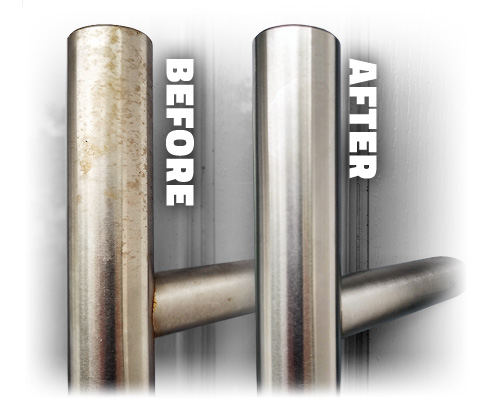
Stainless steel railings generally require routine cleaning to remove dirt, fingerprints and salt deposits. Coastal installations may need more frequent cleaning to help preserve their appearance and reduce the risk of corrosion.
Mild steel railings also require cleaning, along with inspections of the protective finish. If the coating chips, cracks or begins to peel, the affected area may need to be repaired and recoated to prevent rust from spreading.
The amount of maintenance required depends on the environment, the quality of the finish and how well the railing is cared for.
Design and Customisation Options
Both stainless steel and mild steel can be fabricated into different railing designs. Stainless steel is often selected for its sleek, contemporary finish and can be paired with glass, cable or other suitable infill systems.
Mild steel offers considerable design flexibility and can be fabricated into straight lines, decorative patterns and custom shapes. It can also be finished in different colours to complement the property’s exterior or interior.
Your preferred style, the surrounding architecture and the intended use of the railing can all influence your decision.
Cost of Stainless Steel vs Mild Steel Railings
| Cost factor | Stainless steel railings | Mild steel railings |
|---|---|---|
| Initial cost | Generally higher, especially for Grade 316 stainless steel | Often more affordable, depending on the design |
| Material grade | Grade 304 or marine-grade 316 affects the price | Mild steel grade and material thickness affect the price |
| Finishing | May require brushing or polishing for the desired appearance | Usually requires a protective finish, such as galvanising, painting or powder coating |
| Maintenance costs | Routine cleaning is needed, particularly in coastal areas | Damaged coatings may require repairs and repainting to prevent rust |
| Installation costs | Depend on the design, fixing method and site conditions | Depend on the design, fabrication, finish and fixing method |
| Long-term value | Corrosion resistance can make it a worthwhile investment in suitable applications | Can offer good value when properly protected and maintained |
The overall cost of stainless steel vs mild steel railings depends on the railing design, dimensions, material grade, finish and installation requirements. While mild steel may have a lower initial cost, it is important to consider ongoing maintenance and the property’s exposure to moisture and coastal conditions.
For an accurate quotation, contact Kaap Balustrades and Railings to discuss your project requirements and the most suitable railing option for your property.
Which Railing Material Is Best for Coastal Properties?
Coastal properties face additional challenges because salt carried in the air can accelerate corrosion. Choosing a suitable material and finish is essential for maintaining the appearance and performance of your railing.

Stainless Steel Railings for Coastal Areas
Grade 316 stainless steel is generally preferred for coastal applications because it offers better resistance to chloride exposure than Grade 304. This makes it a suitable choice for many balconies, staircases and outdoor railing installations near the sea.
However, Grade 316 is not completely corrosion-proof. Regular cleaning, appropriate fabrication practices and suitable installation details remain important, especially in areas exposed to direct sea spray.
Protecting Mild Steel Railings from Corrosion
Mild steel can also be used in certain outdoor and coastal applications when the protective system is appropriate for the level of exposure. Galvanising, combined with a suitable paint or powder-coated system where specified, can help protect the steel from moisture and corrosion.
The coating must be properly applied and maintained. Any damage should be addressed promptly, as exposed steel can begin to rust. In highly exposed marine environments, the protective system should be selected carefully to suit the conditions.
Get a Quote for Your Balustrade Project
Choosing between stainless steel and mild steel railings is easier when you understand your property’s requirements. The right material, finish and installation method can make a difference to the railing’s appearance, durability and ongoing maintenance.
Kaap Balustrades and Railings provides railing and balustrade solutions for different residential and commercial projects. Contact our team to discuss your requirements and request a quotation for your next project.
Call / WhatsApp us on 063 767 9197. You can also email info@kaapbalustradesandrailings.co.za to get started.